
Stephen Reeder
Director of Marketing
E-mail

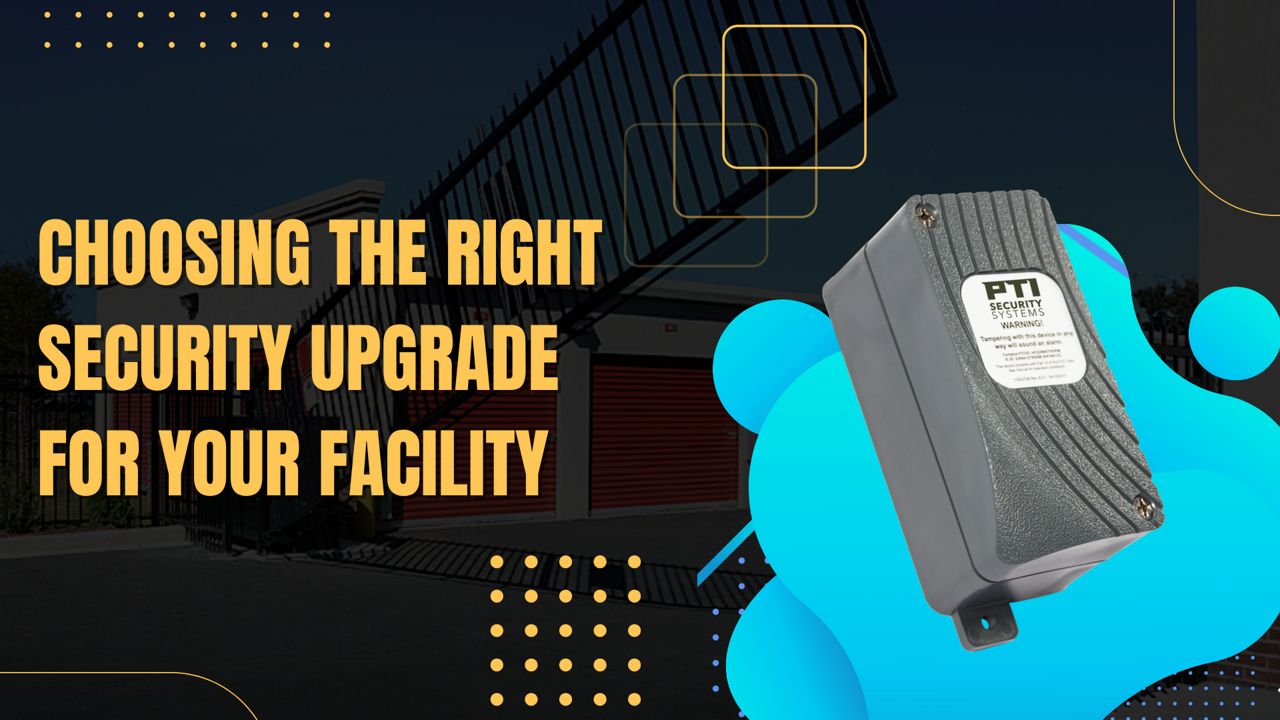
Enhancing facility security is a top priority for self-storage operators, but the path to achieving it isn’t always straightforward. Door alarms offer a proven, cost-effective way to strengthen both the physical and perceived security of a site, yet adoption across the U.S. remains relatively low.
In this article, we explore how door alarms work, compare wired vs. wireless options, and examine how modern solutions like the ProEdge smart latch are redefining what’s possible in unit-level security.
Door alarms are a reliable and commonly used solution for monitoring individual storage units. Their primary function is simple: detect unauthorized access and trigger a loud audible alarm when a unit door is opened without the tenant present. Additionally, for those owners who wish to elevate their facility’s security without subjecting their facility to another subscription-based model, door alarms are a viable option.
These systems act as both a deterrent and an early-warning mechanism, helping operators reduce theft, improve tenant confidence, and elevate the overall perception of security at their facility.
Door alarms are available in two primary configurations:
While both serve the same purpose, their installation methods and infrastructure requirements differ significantly.
Wired systems are most commonly implemented in new construction, where infrastructure can be installed during the building process. Because the facility is already being wired for electrical and operational systems, integrating door alarms is more efficient at this stage.
However, wired systems require additional [RS1] hardware, called channel multiplexers (muxes). These devices consolidate signals from multiple alarms and transmit them to the facility’s access control system. Since each multiplexer supports a limited number of channels, larger facilities will require multiple units.
Key considerations for wired door alarms:
Wireless door alarms are particularly attractive for existing facilities, where running new wiring to each unit may be disruptive or cost-prohibitive. As a result, most operators deploy wireless systems during capital improvement projects or routine upgrades.
Despite eliminating the need for extensive wiring, wireless systems still rely on a supporting network of components:
The coordinator collects signals from individual alarms, with repeaters extending the network’s range and ensuring reliable communication. The head-end then processes this data and integrates it with the access control system.
Facility design plays a significant role in system performance since materials like metal and concrete can weaken signal transmission, often requiring additional repeaters.
Key considerations:
Despite their benefits, door alarm adoption in the United States remains relatively low. Industry estimates suggest that only 15–30% of U.S. self-storage facilities have implemented door alarms, with most primarily being Class A facilities and new developments.
By contrast, adoption in Europe is significantly higher, with 70–85% of facilities utilizing door alarm systems.
This disparity is likely driven by market maturity. The European self-storage sector is newer, meaning more facilities are built with modern security infrastructure from the outset. Additionally, operators in these markets are proactively responding to rising consumer expectations around safety and asset protection.
While door alarms provide effective monitoring, newer solutions like the ProEdge smart latch go a step further by offering both enhanced security and operational efficiencies.
Unlike traditional alarms that rely on magnetic contacts to detect whether a door is open, ProEdge uses an onboard accelerometer to sense movement. This enables more sophisticated detection capabilities, including:
While ProEdge does not deliver an audible alarm, the system delivers real-time alerts to both operators and tenants, making it faster and easier to respond to potential security events. For those facilities who wish to have both an audible alarm in addition to real-time notifications, a combined approach is recommended. One that brings forward the merits of traditional door alarms along with the advantages that the ProEdge Smart Latch offers.
Beyond security, smart latch systems introduce meaningful benefits across the tenant experience and facility operations:
For operators focused on scalability, automation, and long-term cost efficiency, these advantages can significantly outweigh the higher upfront investment.
Selecting the right security solution ultimately comes down to your facility’s goals, budget, and operational strategy.
A useful way to think about this is in tiers:
One often overlooked factor is installation disruption.
While wired and wireless door alarms typically carry lower upfront costs, smart latch systems like ProEdge offer compelling long-term ROI:
For operators that are planning for the future, these savings can significantly offset the initial investment.
Upgrading your facility’s door monitoring system is one of the most effective ways to enhance security, improve tenant confidence, and differentiate your property in a competitive market. Whether you choose traditional door alarms or a more advanced solution like ProEdge, the result is the same: a stronger, more secure, and more modern facility.
Ready to explore your options? Contact our team at sales@ptisecurity.com to learn more or request a customized quote.

2026-09-22

2026-08-26

2026-08-04

2026-08-01

2026-07-14

2026-06-24

2026-06-10